Celebrating National Honeybee Day
August 20th is National Honeybee Day, when we’re reminded that pollinators keep Tennessee’s iconic plants blooming. They help our gardens grow, our crops thrive, and our ecosystems stay healthy.
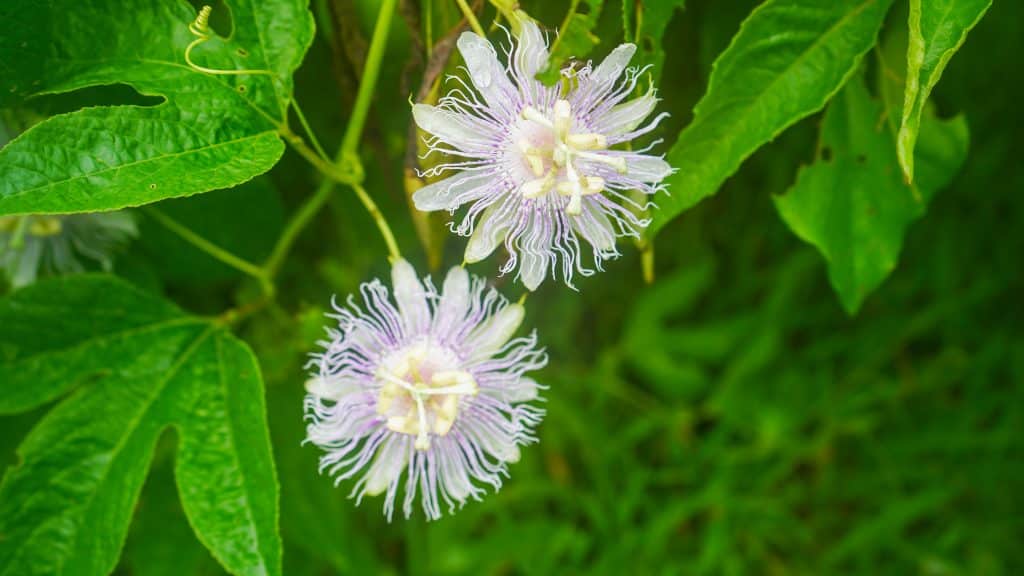
Just a few miles from downtown Nashville, you can see the benefits of these tiny yet essential pollinators in action at The Land Trust for Tennessee’s Glen Leven Farm. Wildflowers have been blooming across the 64-acre historic property all summer, including fire blanket, purple coneflower, whorled mountain mint, passion flower, annual fleabane, blue mistflower, and many more.
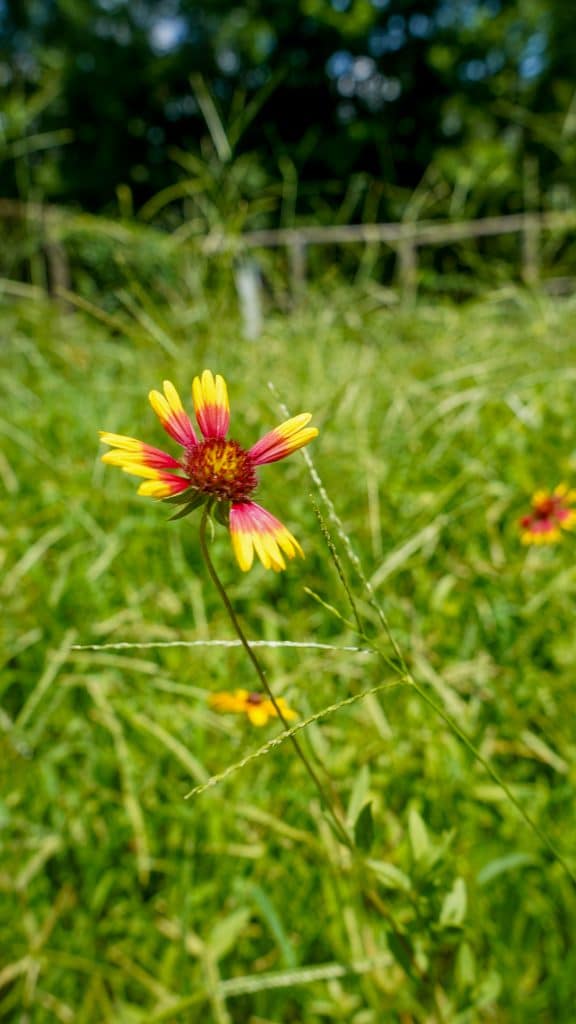
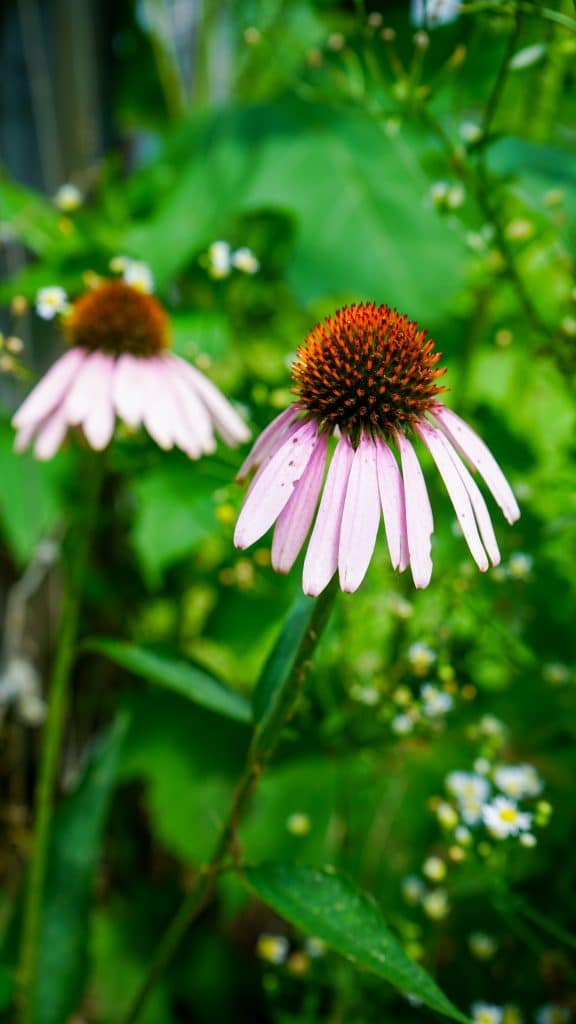
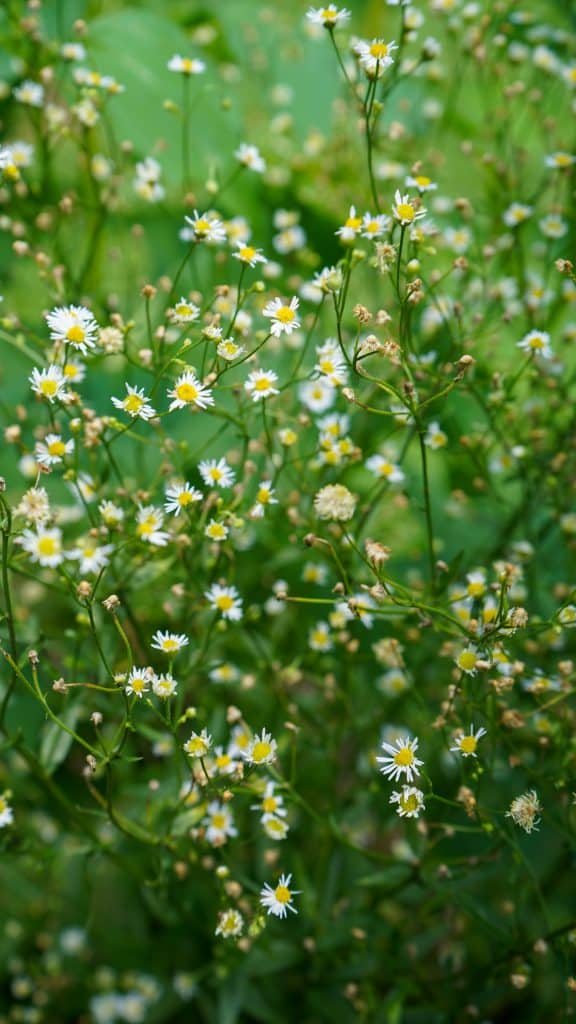
Honey, Bees, and Community
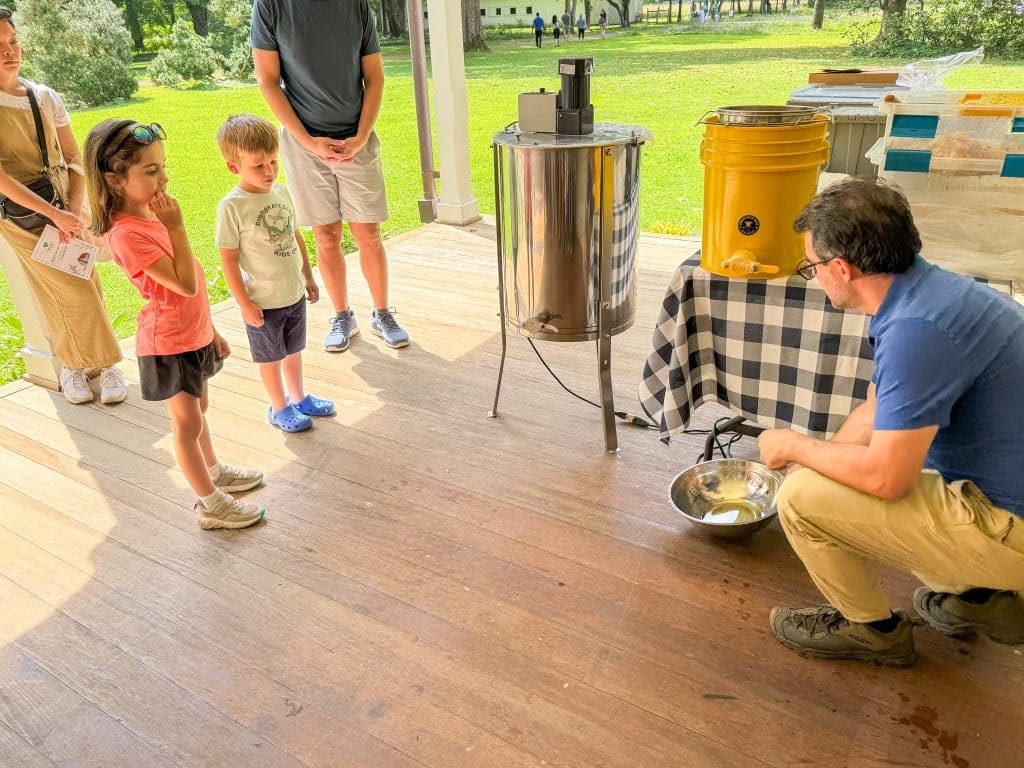
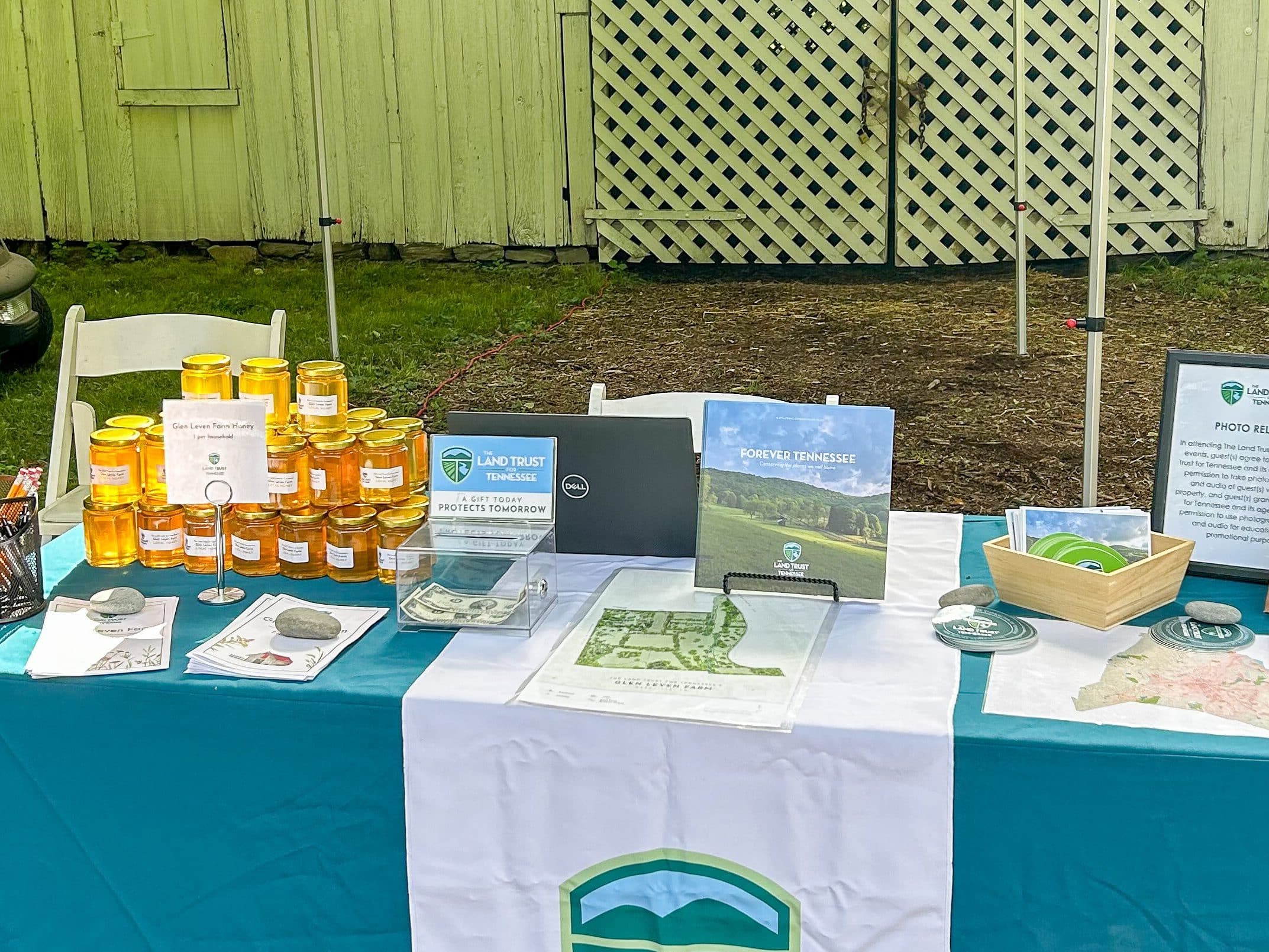
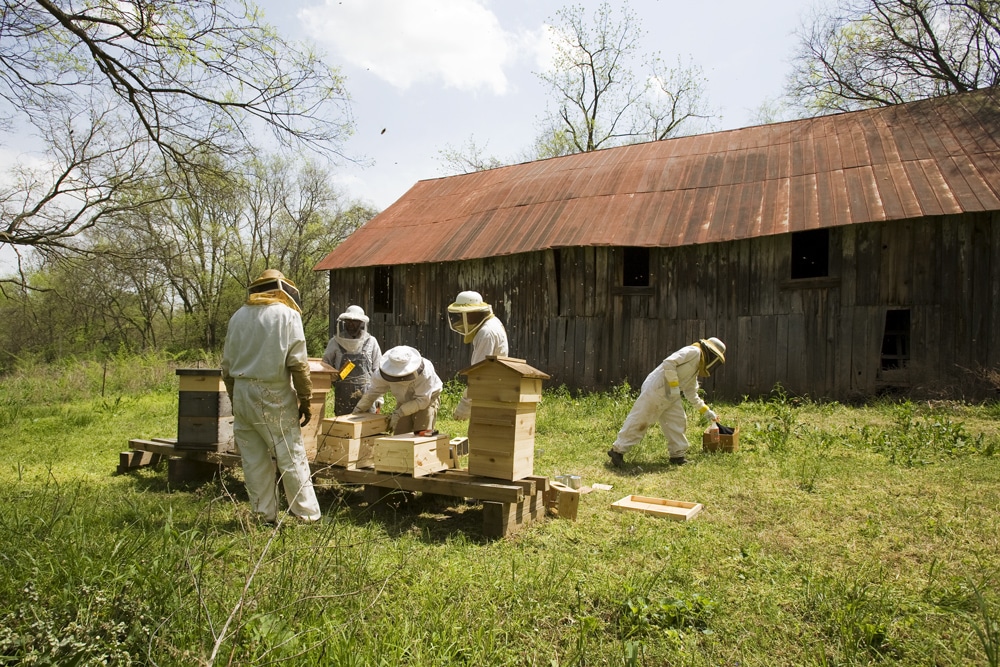
Our local beekeeper Gary Saakian, of Green Hills Gold, tends to his hives at Glen Leven Farm with care and skill. Each year, one of our free Community Days is devoted to celebrating bees and honey. It’s a day we look forward to, and so do our visitors. Families gather to watch Gary harvest honey right from the hives. At the end of the event, guests take home jars of Glen Leven honey, which acts as a reminder of how connected we are to the land, the bees, and each other.
The Challenges Pollinators Face
Honeybee populations are declining across the country, and Tennessee is no exception. Habitat loss, pesticide use, disease, and climate change are all taking a toll. When bees disappear, it’s not just honey that’s at risk—entire ecosystems feel the impact.
While honeybees play an important role in pollination and agriculture, they are not native to North America. Our landscapes are also home to hundreds of native pollinators, including bumblebees, solitary bees, butterflies, moths, beetles, and hummingbirds. Many of these species are even more efficient pollinators than honeybees, and some are facing steep population declines. Protecting a diversity of pollinators ensures that our ecosystems remain resilient.
Pollinators are responsible for the reproduction of more than 75% of flowering plants, including many of the fruits, vegetables, and nuts we enjoy every day. Without them, we would see fewer crops, fewer wildflowers, and less habitat for wildlife.
Why This Matters to The Land Trust
Our work to protect farmland, forests, and natural areas is also work to protect pollinators. Open meadows provide foraging grounds. Forest edges offer nesting habitat. Native plant communities give pollinators the nectar and pollen they need throughout the year.
When we conserve land, we’re not just safeguarding beautiful views. We’re also ensuring that bees, butterflies, and other pollinators have the resources they need to thrive. And when pollinators thrive, so do our communities, our food systems, and our ecosystems.


A Buzz Worth Protecting
The next time you see a bee working its way across a patch of flowers, remember it’s doing more than making honey. It’s helping keep Tennessee’s landscapes thriving.
From farms to forests, and from Glen Leven Farm to your own backyard, we’re proud to protect the places where pollinators and people can flourish together.
Produced by Heather Hyland.